
Estate Planning- an Overview
A strong estate plan protects your wishes, eases the burden on loved ones, and keeps your legacy alive — across borders, generations, and traditions.
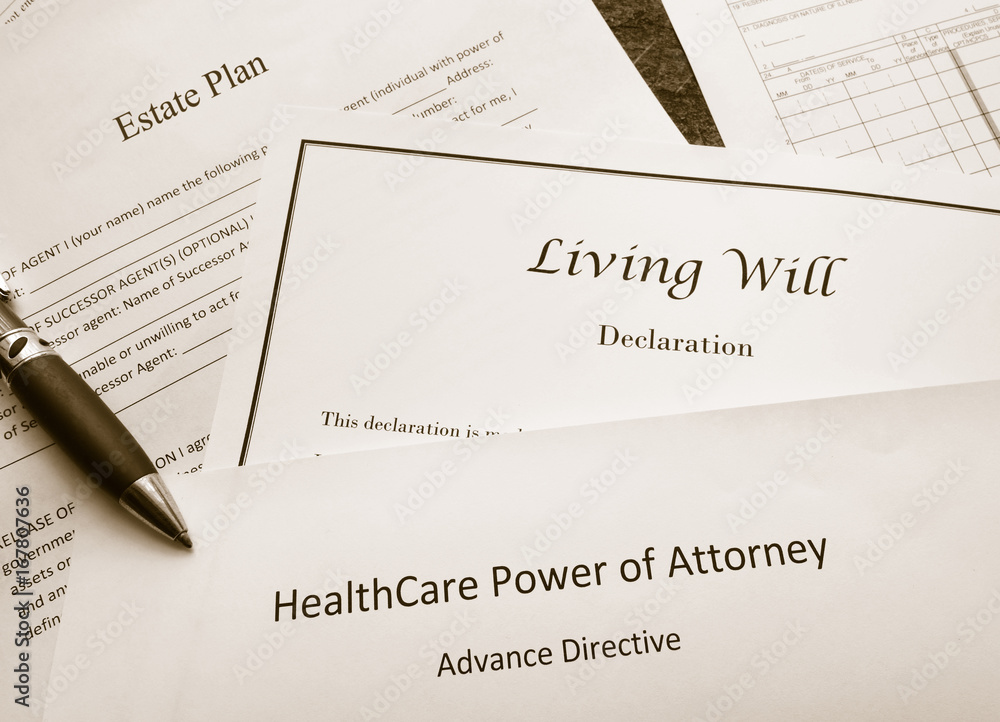
Start with the Essentials: What Every Family Should Know About Estate Planning
An effective estate plan preserves your legacy, minimizes confusion for loved ones, and protects your wishes during your lifetime and beyond. For many South Asian families, estate planning can also encompass caring for elderly relatives, managing international property, or upholding religious and cultural values.
Here are the building blocks of a strong plan:
Will vs. Trust: Which One Is Right for Your Family?
A Will specifies how your assets will be distributed after your passing, names guardians for children, and appoints someone to manage your estate.
A Trust allows you to hold and manage assets during your lifetime — and helps avoid probate. It’s especially helpful if you own property abroad or want to protect privacy and minimize delays.
Who Gets What: Choosing Your Beneficiaries Wisely
Beneficiary designations apply to accounts like life insurance, pensions, and retirement funds. They take priority over your Will — so it’s crucial to keep them updated.
Who Will Manage Things If You Can’t?
A Durable Power of Attorney gives someone you trust the legal authority to handle finances, contracts, and property decisions if you become incapacitated.
Who Will Make Medical Decisions for You?
A Healthcare Power of Attorney appoints someone to speak on your behalf if you can’t make your own medical decisions — critical in emergencies or serious illness.
Planning for Your Children’s Future — No Matter What Happens
Naming a legal guardian ensures your minor children are cared for by someone you trust — not left to court decision-making or family conflict.
Leave More Than Just Assets — Leave Guidance
A Letter of Intent lets you express personal wishes, cultural or spiritual guidance, or messages to your family. It’s not legally binding, but it can bring peace and clarity.
Your Yearly Estate Planning Checklist — Stay Prepared
Each year brings change. This checklist helps you keep your estate plan current and relevant.
Know What You Own — From Homes to Heirlooms
Make a complete list of your assets:
- Property (including real estate overseas)
- Jewelry, vehicles, heirlooms
- Bank and investment accounts
- Business interests
- Retirement and insurance accounts
Include locations of records and contact information for institutions.
Don’t Forget the Liabilities: List Your Debts
Document all debts, including:
- Home loans
- Personal or family loans
- Credit cards and lines of credit
Also include lenders’ details and agreement locations. Consider running a yearly credit check.
Legacy Through Community: Don’t Overlook Your Affiliations
List your associations — alumni groups, religious organizations, charities, professional networks. Some provide unexpected benefits, including life insurance or scholarships.
Protect What Matters Most — Your Family
Review:
- Life insurance coverage
- Guardianship decisions
- Special needs planning
- Multigenerational financial support
Keep Your Accounts — and Beneficiaries — Up to Date
Check beneficiary names on:
- Life insurance
- Retirement plans
- Bank accounts
These designations can override what’s in your Will.
Set Up Easy Transfers — No Court Needed
Use Transfer on Death (TOD) options for deeds, bank accounts, brokerage accounts, and CDs to streamline asset transfers and avoid probate.
Give Clear Instructions — Financial and Medical
Have legal directives in place:
- Trust documents
- Medical directives
- Durable or limited financial power of attorney
- Living Will
Assign different individuals for medical and financial roles, with backups.
What Happens to Your Digital Life?
List digital assets:
- Email, social media, and cloud accounts
- Crypto wallets or digital investments
- Online businesses or domain names
Store passwords securely and make sure your executor knows how to access them.
Tie It All Together — With the Right Documents
Your finalized plan should include:
- Will
- Healthcare Proxy
- Durable Power of Attorney
- Living Will
- Guardianship designations
- Letter of instruction
Ensure copies are stored safely and shared with trusted contacts.
Your Estate Planning Checklist:
Life doesn’t stand still — and neither should your estate plan. The best way to keep your plan relevant is by reviewing it regularly and working with a qualified estate planning attorney. This becomes especially important if you have a large or complex estate, business interests, property abroad, or support extended family.
An experienced lawyer can help you:
- Minimize estate and inheritance taxes
- Set up living trusts
- Ensure your documents are valid and reflect your wishes
Annual reviews of your estate plan ensure your legacy keeps pace with your life — and with changes to laws, finances, or family circumstances.
Whether you’re just beginning or revisiting an existing plan, using a detailed checklist can give you confidence that nothing is overlooked.
Why Regular Reviews Matter
Changes happen — sometimes unexpectedly. At Seva Law, we encourage clients to review their estate plans at least once a year. Regular reviews allow you to adjust for both financial changes and personal milestones.
This isn’t just about updating paperwork — it’s about ensuring your wishes are protected, your family is supported, and your legacy remains secure.
When to Update Your Estate Plan: Key Life Events
You may need to update your estate plan if any of these occur:
- Birth or adoption of a child or grandchild
- A child or grandchild reaching adulthood
- A shift in education plans for children or grandchildren
- Death of a named guardian for your minor children
- Gaining responsibility for adult dependents or aging parents
- Changes to financial goals — individually or as a couple
- Marriage, divorce, or remarriage
- Illness or disability affecting you or a spouse
- Changes to life insurance or long-term care coverage
- Purchasing a home or other major asset
- Incurring major debt or financial liabilities
- Significant changes in the value of your assets
- Receiving a large inheritance or gift
- Changes to tax or estate laws (state or federal)
- Illness, disability, or death of a family member
- Loss or unavailability of a trustee, executor, or power of attorney
- Career changes — promotion, job change, or business transition
These events may require reworking part of your plan — or creating new documents altogether.
HAVE YOU REVIEWED YOUR ESTATE PLAN LATELY?
Whether you’re just starting or revisiting an old plan, estate planning is one of the most meaningful ways to care for your family. Here’s what every family should include in an up-to-date estate plan:
Core Legal Documents
- Trust or Will— Foundation of your estate plan
- Beneficiary Designations— For life insurance, retirement accounts, etc.
- Durable Power of Attorney— For financial decision-making
- Guardianship Designations— For minor children
- Healthcare Power of Attorney— For medical decision-making
- Letter of Intent— For personal wishes and non-legal guidance
Supporting Components
- Review of all retirement and pension accounts
- Full inventory of your assets(including property abroad)
- Updated list of debts and bills
- Documentation of all insurance policies
- List of memberships or affiliations(religious, professional, charitable)
- Planning for digital assets(email, social media, crypto, etc.)
- Collaboration with a financial planner or tax advisor
At Seva Law, we understand that estate planning is deeply personal — and sometimes deeply cultural. That’s why we’re here to support families in creating plans that respect your values and safeguard your future.
Frequently Asked Questions
How much does estate planning cost in Virginia?
The cost of estate planning in Virginia depends on the complexity of your situation and the type of documents you need. A basic estate plan with a will, power of attorney, and advance medical directive may range from $1,000 to $1,500. More comprehensive plans, including living trusts, tax planning, and business succession strategies, typically fall between $3,000 and $10,000. Some attorneys also offer flat-fee packages for wills or trusts, while others bill hourly. While online templates are cheaper, they often miss the big picture, working with an experienced Virginia estate planning attorney ensures that your documents comply with state laws, reduce the risk of probate disputes, and provide true peace of mind for your family, keeping your individual goals in mind.What are the 7 steps in the estate planning process?
Estate planning may sound overwhelming, but breaking it down into clear steps makes the process easier:- Take inventory of your assets and debts including real estate, retirement accounts, life insurance, and digital assets.
- Identify beneficiaries and family needs such as guardianship for minor children or care for dependents.
- Draft your key legal documents like a will, trust, power of attorney, and advance medical directive.
- Review and update beneficiary designations on accounts like IRAs, 401(k)s, and life insurance policies.
- Use probate-avoidance tools such as revocable trusts, payable-on-death accounts, Transfer-on-death deeds, and joint ownership where appropriate.
- Work with professionals including an estate planning attorney, CPA, or financial advisor for tax and legal strategies.
- Store documents securely and review regularly to ensure your plan reflects current wishes and life changes.