
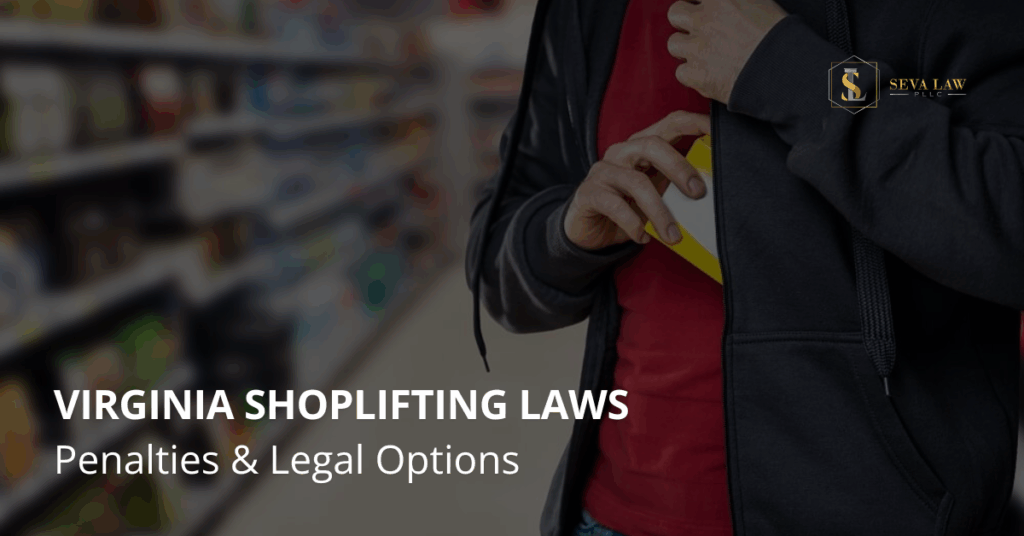
Shoplifting is one of the most frequently prosecuted crimes in Virginia. Therefore, understanding Virginia Shoplifting Laws is essential for anyone facing such charges or seeking to avoid legal trouble. These laws define theft-related offenses and explain the consequences of unlawfully taking or concealing merchandise.
Every person accused of shoplifting should understand that intent plays a major role in their case. Prosecutors must prove that the person intended to deprive the store of its property without payment. A small misunderstanding or mistake can lead to harsh legal consequences.
Under Virginia Shoplifting Laws, shoplifting includes more than just walking out of a store without paying. It also covers altering price tags, switching labels, hiding items to avoid payment, or assisting someone else in doing so. Because these actions all fall under the legal definition of theft, they carry serious penalties.
Therefore, it’s crucial to know your rights and obligations under Virginia Shoplifting Laws to protect yourself from long-term harm.
Why Virginia Shoplifting Laws Are Strict
The state enforces strict laws to discourage theft and protect business owners. Retail theft costs stores thousands of dollars each year, and the law aims to prevent such losses. Because of this, Virginia Shoplifting Laws carry penalties that can severely affect your criminal record, employment, and reputation.
Lawmakers believe that firm penalties deter repeat offenses and protect the community. Moreover, courts treat each case seriously, even first-time offenses. A conviction under Virginia Shoplifting Laws may result in fines, probation, community service, or even jail time.
By understanding the seriousness of these laws, individuals can make more informed decisions and avoid future legal risks.
Defining Shoplifting Under Virginia Law
According to Virginia Shoplifting Laws, shoplifting occurs when someone willfully conceals or takes merchandise with the intent to steal it. It is considered larceny, which means unlawfully taking someone else’s property.
Even concealing an item inside a store can count as shoplifting, even if you never leave the premises. Therefore, the act of hiding merchandise is enough to raise suspicion and lead to arrest.
Additionally, altering price tags or transferring items into different containers is considered theft. Because intent matters most, even a seemingly minor action can become a criminal offense under Virginia Shoplifting Laws.
Understanding how the law defines shoplifting helps individuals recognize how easily misunderstandings can turn into legal problems.
Penalties Under Virginia Shoplifting Laws
Penalties depend on the value of the stolen goods and prior criminal history. Virginia Shoplifting Laws classify theft as either petit larceny or grand larceny.
If the value of the merchandise is under $1,000, the offense is petit larceny—a misdemeanor punishable by up to one year in jail and a fine of $2,500. However, if the value exceeds $1,000, it becomes grand larceny—a felony that can lead to up to 20 years in prison.
Furthermore, repeat offenders face enhanced penalties. A second or third shoplifting conviction can result in longer jail terms and higher fines. Courts view repeated violations as evidence of intent and disregard for the law.
Because penalties under Virginia Shoplifting Laws can be severe, legal representation becomes essential for minimizing the consequences.
Civil Penalties and Restitution
In addition to criminal charges, Virginia Shoplifting Laws allow retailers to pursue civil penalties. This means that even if criminal charges are reduced or dismissed, the store can still seek compensation.
Retailers can demand payment for the value of the stolen goods, along with additional damages and court costs. This process aims to reimburse the store for financial losses and discourage theft.
Often, defendants must also pay restitution as part of their sentence. Restitution covers the store’s losses directly related to the theft. Because civil penalties add financial pressure, understanding your legal rights under Virginia Shoplifting Laws is crucial to limit further consequences.
How Virginia Shoplifting Laws Protect Businesses
Businesses rely on these laws to maintain fairness and prevent loss. Virginia Shoplifting Laws provide merchants with specific rights to protect their property.
For instance, store employees have the right to detain suspected shoplifters for a reasonable time. This allows them to investigate the incident before law enforcement arrives. However, they must follow proper procedures to avoid violating the suspect’s rights.
By giving businesses these protections, the law aims to balance security and fairness. Furthermore, it promotes community trust and accountability between consumers and retailers.
Legal Process in a Shoplifting Case
When someone is charged under Virginia Shoplifting Laws, the legal process begins immediately. The accused person may be arrested at the scene or later summoned to court. Afterward, they attend an arraignment where the judge formally presents the charges.
Next, the defendant may enter a plea—guilty, not guilty, or no contest. The case then proceeds to pre-trial hearings, where evidence is reviewed. During this phase, a skilled attorney examines whether the arrest followed legal procedures and whether there’s enough proof of intent.
If the case goes to trial, the prosecution must prove the defendant’s guilt beyond a reasonable doubt. Because of the complexity of Virginia Shoplifting Laws, having legal representation significantly improves your chances of a fair outcome.
Common Defenses Under Virginia Shoplifting Laws
Every case is different, and a good defense can reduce or eliminate charges. Common defenses under Virginia Shoplifting Laws include lack of intent, mistaken identity, or insufficient evidence.
For example, a person may accidentally leave a store with an unpaid item, believing they had paid. In such cases, the absence of intent can weaken the prosecution’s argument.
Additionally, if store employees violated procedures during detention or search, evidence may be inadmissible. A skilled attorney uses these details to challenge the prosecution’s case.
By understanding these defenses, individuals can see why consulting a lawyer early is critical under Virginia Shoplifting Laws.
Importance of Legal Representation
Facing a shoplifting charge can be frightening. However, a qualified attorney can make a significant difference. A lawyer experienced in Virginia Shoplifting Laws can negotiate plea bargains, reduce penalties, or even get charges dismissed.
Attorneys also protect defendants from self-incrimination and ensure their rights remain intact throughout the process. Furthermore, they can explain legal terms and procedures in simple language to reduce confusion and anxiety.
Because a conviction can affect future job opportunities and background checks, having legal representation offers both protection and peace of mind.
Long-Term Consequences of a Shoplifting Conviction
A conviction under Virginia Shoplifting Laws extends far beyond fines or jail time. It leaves a permanent mark on your criminal record, which can affect employment, education, and housing opportunities.
Employers often conduct background checks, and theft convictions may signal dishonesty. As a result, individuals with such records may face limited job prospects. Additionally, professional licenses or immigration status could be affected.
Therefore, understanding how to prevent or expunge such convictions becomes vital. A knowledgeable attorney can help clients explore options like deferred sentencing or record expungement when available.
How to Avoid Violating Virginia Shoplifting Laws
Prevention is always better than defense. To avoid violating Virginia Shoplifting Laws, individuals should remain aware of their actions while shopping. Always keep receipts and avoid carrying unpaid items outside restricted areas.
If shopping with children or friends, double-check that all items are paid for before leaving. Many shoplifting cases occur accidentally due to distraction or misunderstanding.
Businesses also educate employees on how to handle customers respectfully while maintaining security. By promoting awareness, both shoppers and stores contribute to a safer retail environment.
Rehabilitation and Community Programs
Virginia recognizes that not every shoplifting case requires severe punishment. Therefore, some first-time offenders may qualify for diversion programs. These programs focus on rehabilitation rather than incarceration.
Under Virginia Shoplifting Laws, eligible participants may complete community service, attend theft prevention classes, or pay restitution. Successful completion often leads to dismissal of charges, allowing individuals to move forward without a permanent record.
Such programs provide valuable opportunities for personal growth and second chances. They also reduce pressure on the court system while promoting responsibility and reform.
The Role of Intent in Virginia Shoplifting Laws
Intent remains the most critical factor in any shoplifting case. Prosecutors must prove that the accused intended to steal. Without proof of intent, the court may dismiss the charges.
For example, accidentally forgetting to pay or misplacing an item in a bag may not qualify as shoplifting. However, concealing merchandise or switching price tags shows deliberate intent to deceive.
A defense attorney uses this distinction to challenge the prosecution’s case and highlight reasonable doubt. Understanding the role of intent under Virginia Shoplifting Laws helps individuals realize how small actions can carry big consequences.
Seeking Legal Help After a Shoplifting Charge
Anyone facing shoplifting charges should seek immediate legal counsel. A defense lawyer familiar with Virginia Shoplifting Laws can evaluate the case and develop the best strategy.
Early intervention often leads to better results, such as reduced penalties or case dismissal. Lawyers can also communicate with prosecutors to negotiate favorable outcomes.
By acting quickly, defendants protect their rights and improve their chances of a fair resolution. Therefore, consulting an attorney should always be the first step after an arrest.
Final Thoughts
Understanding Virginia Shoplifting Laws is vital for both consumers and retailers. These laws protect businesses from theft while ensuring fairness for individuals accused of minor or accidental offenses.
Shoplifting may seem like a small mistake, but its legal and personal consequences can be life-changing. Therefore, knowing your rights, seeking legal help, and acting responsibly are essential steps to safeguarding your future.
Whether you are facing charges or simply want to understand the law better, awareness is your strongest defense. By respecting Virginia Shoplifting Laws, you protect yourself, your reputation, and your community.